Leak Location and Marking
We confirm the leak with electronic leak detection equipment and mark the pipe run on the slab. This step keeps the tunnel short and the repair targeted, usually adding only 45 to 90 minutes to the job.
Tunneling Under Slab in Florida is how we reach a failing pipe beneath your foundation without tearing out the whole floor. If you have a hot spot on the tile, a water bill that jumped, or a slab leak you have been putting off, our licensed plumbers tunnel to the pipe, replace or repair it, and pressure-test before we close up. We have served Florida homeowners since 2020.
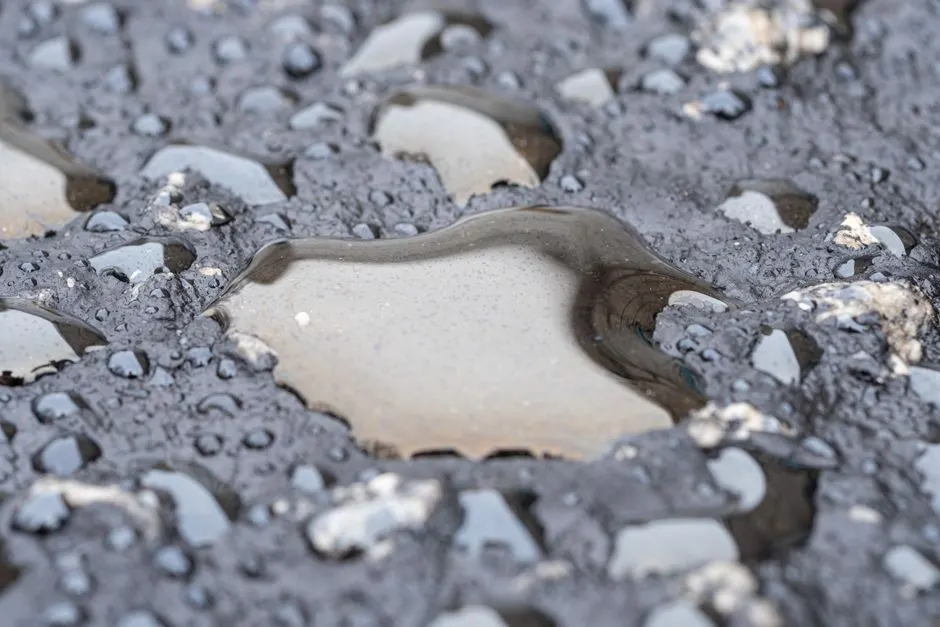
Tunneling Under Slab in Florida is a controlled excavation method that creates a small access shaft and a horizontal tunnel beneath your foundation so a plumber can reach the failing pipe directly. Instead of jackhammering an entire room, we cut a compact entry point, shore the opening, and work under the slab where the leak actually is. Most residential tunnels run 3 to 6 feet deep and 4 to 12 feet long, depending on where the pipe failed and how the home was built.
Florida homes need this more than most. Our soil shifts with summer rains and dry winters, and the slab-on-grade construction common from Deerfield Beach to Wesley Chapel puts copper and CPVC lines in direct contact with that moving ground. A hidden water leak can run for weeks before you see water pooling on the floor or a spike on your utility bill. When a spot repair will not hold, under slab tunneling Florida gives you a permanent fix without a full repipe.
Every tunneling job is different, but here is what you can expect us to handle from start to finish. We quote the full scope before we cut concrete, and we do not add line items mid-job unless you approve them.
We confirm the leak with electronic leak detection equipment and mark the pipe run on the slab. This step keeps the tunnel short and the repair targeted, usually adding only 45 to 90 minutes to the job.
We cut a compact access point, usually 24 by 24 inches, and hand-dig the tunnel to the pipe. The opening is shored for safety, and we protect nearby flooring and walls with drop cloths and plastic.
We replace the failed section with new PEX piping, copper, or CPVC pipes and proper fittings. If the surrounding pipe is corroded, we replace more of the run while the tunnel is open so you are not paying for a second dig later.
Every repaired line is pressure-tested at 80 psi for at least 30 minutes before we backfill. If it does not hold, we find the issue and fix it before the concrete goes back. No guesswork.
We backfill with compacted soil, pour concrete patch mix flush with the slab, and leave the area clean. You get a written summary of what was replaced and where, plus care instructions for the patch.
We start with electronic leak detection equipment and acoustic listening devices to pinpoint the leak. A thermal imaging camera from FLIR helps us see temperature differences on the slab. This usually takes 45 to 90 minutes and tells us exactly where to tunnel.
We mark the smallest practical access point, usually in a closet, hallway, or garage where flooring is easiest to restore. You see the plan and the price before we cut anything. Most access shafts are 24 by 24 inches.
Using concrete saws and jackhammers, we cut the slab and hand-dig the tunnel to the pipe. We shore the opening as we go. A typical residential tunnel takes 4 to 8 hours of excavation, depending on depth and soil.
We cut out the failed section and install new PEX piping, copper, or CPVC pipes with proper fittings and couplings. If the run is badly corroded, we replace more of it while the tunnel is open. Every joint is soldered or crimped to Florida code.
We pressure-test the new line at 80 psi for at least 30 minutes. Once it holds, we backfill, compact the soil, and pour concrete patch mix flush with the slab. You get a written summary of what was replaced and where.
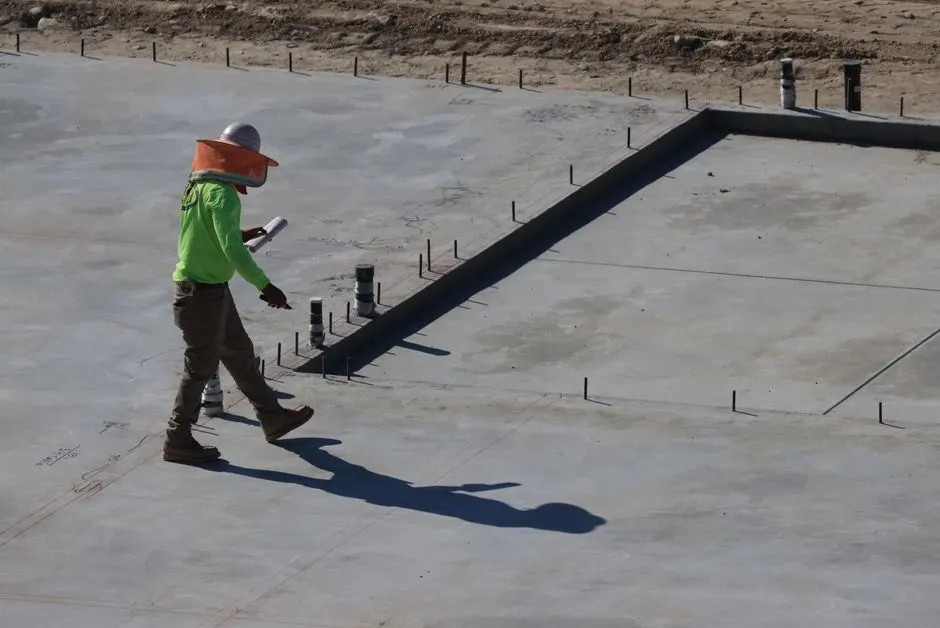
We start with electronic leak detection equipment and acoustic listening devices to pinpoint the leak. A thermal imaging camera from FLIR helps us see temperature differences on the slab. This usually takes 45 to 90 minutes and tells us exactly where to tunnel.
We use these to hear water escaping a pressurized line under the slab. They confirm the leak is under the floor and not in a wall before we cut concrete.
Thermal imaging shows temperature differences on the slab that point to a hot or cold water slab leak. It is fast, non-invasive, and pairs with acoustic detection.
We run a RIDGID SeeSnake camera through the line to see corrosion, breaks, and joint failures from the inside. This tells us whether to patch or replace the run.
Pipe locators from Schonstedt and Fisher Labs trace the exact path and depth of the under-slab line so the tunnel goes straight to the pipe.
Every repaired line is pressure-tested at 80 psi for at least 30 minutes. If it does not hold, we find the issue before the concrete goes back.
We cut a clean access point with concrete saws and break the slab with jackhammers. The opening is sized to the job, not the room.
A 1978 ranch home had a warm spot near the kitchen and a water bill that jumped $110 in one month. Two prior plumbers recommended jackhammering the entire hallway floor. The homeowner wanted to keep the original tile.
After: We tunneled in from a closet, replaced 9 feet of failed copper with PEX piping, and pressure-tested at 80 psi. The patch was flush with the slab and the tile was untouched. The next water bill dropped $95.
Book this service →
A 2003 home had three slab leaks in four years, all on the same copper run. Spot repairs kept failing because the pipe was corroded along its length. The homeowner was ready to repipe the whole house.
After: We tunneled in and replaced the full 28-foot under-slab run with new PEX piping. One access point, one patch, and a 5-year workmanship warranty. No leaks in the 14 months since.
Book this service →
A cold water slab leak had been running for weeks before the homeowner noticed a foundation crack near the garage. The soil under the slab had started to wash out, and the crack was widening.
After: We located the leak with acoustic detection, tunneled in, and replaced the failed CPVC section. Before backfilling, we compacted and stabilized the soil. The crack stopped moving and the slab was patched flush.
Book this service →A slab leak does not fix itself, and the longer it runs, the more it costs you. Here are the problems Florida homeowners call us about most, and how tunneling solves them.
Ask a pro →We use acoustic listening devices and pressure testing gauges to confirm the leak, then tunnel to the failed pipe and replace it. Most customers see their water bill return to normal the first full month after repair.
We locate the hot line with a FLIR thermal imaging camera, tunnel to the failure, and replace the section with new copper or PEX piping. The floor cools, the bill drops, and the slab dries out.
We repair the pipe first, then assess the surrounding soil before backfilling. If we find voids, we compact and stabilize the area so the foundation is not sitting over a hole when we patch the slab.
We tunnel in and replace the full under-slab run with PEX piping or copper, not just the failed section. One job, one patch, and a 5-year workmanship warranty on the new line.
Most residential tunneling jobs in Florida run $4,500 to $12,000 in 2026, depending on tunnel length, depth, and whether we replace a section or a full run. A simple spot repair with a short tunnel can land near $4,500, while a longer under-slab pipe replacement with floor restoration pushes toward the top of that range. We give you a written price before we cut concrete.
A typical residential tunnel takes 1 to 3 days from excavation to concrete patch. Day one is locate and dig, day two is pipe repair and pressure test, and day three is backfill and patch if the run is long. Larger jobs with multiple leaks or full pipe replacement can run 4 to 5 days. You keep water to the rest of the house during the work.
It depends on the cause. Sudden pipe failures are sometimes covered, while long-term corrosion or soil movement is often excluded. Most Florida policies cover the resulting water damage but not the pipe itself. We document the leak with photos and a written report you can send to your adjuster, and we work directly with insurance companies when a claim is filed.
For most Florida homes, hand-dug tunneling with shored access and full pipe replacement is the best method. It gives us room to inspect the surrounding soil, replace corroded pipe with PEX piping or copper, and pressure-test before backfilling. We use acoustic listening devices and thermal imaging cameras to locate first, so the tunnel goes straight to the failure.
We deliver Tunneling Under Slab in Florida across the state, with crews positioned to reach most metro areas the same day. From the Panhandle to South Florida, we bring the same licensed plumbers, the same trenchless tunneling Florida equipment, and the same written pricing. If you are in one of these communities, call us for a same-day estimate.
Older ranch homes near the Intracoastal often have original copper lines that fail at joints. We tunnel from closets and hallways to keep your tile and hardwood intact.
↗ 02 The VillagesMany homes here are 15 to 25 years old, and under-slab copper is reaching the end of its life. We handle full-run replacement with minimal disruption to flooring and landscaping.
↗ 03 Wesley ChapelNewer construction with PEX and CPVC can still see slab leaks from soil movement and fitting failures. We tunnel in and replace the failed section with new pipe.
↗ 04 The HammocksSlab-on-grade homes in this part of Miami-Dade see hot water slab leaks that show up as warm floors. We locate with thermal imaging and tunnel to the failure.
↗ 05 ApopkaInland soil movement cracks pipe joints over time. We shore tunnels carefully and pressure-test at 80 psi before backfilling and patching the slab.
↗ 06 Fort PierceA mix of older and newer homes means we see both corroded copper and failing CPVC. We match the repair method to the pipe material and slab condition.
↗ 07 Ormond BeachCoastal soil and a high water table put extra stress on under-slab lines. We pump and shore as needed, and we pressure-test before the patch goes down.
↗ 08 PrincetonRural and suburban homes here often have long under-slab runs. We tunnel in and replace the full failed section rather than patching one spot.
↗ 09 DunedinSalt air and coastal soil speed up corrosion on copper lines. We often recommend replacing more of the run while the tunnel is open to avoid a second dig.
↗ 10 Panama CityStorm-driven water tables and coastal soil stress under-slab plumbing. We shore tunnels carefully and pressure-test at 80 psi before backfilling.
↗ 11 Buenaventura LakesHomes here are mostly slab-on-grade, so tunneling is the least invasive way to reach a failing pipe. We keep water running to the rest of the house during the job.
↗ 12 RockledgeGroundwater can seep into an open tunnel in this coastal area. We pump and shore as needed, and we do not patch until the line holds 80 psi.
↗ 13 WrightPanhandle soil and storm season put pressure on under-slab lines. We tunnel in, replace the failed section, and patch the slab flush with the surrounding concrete.
↗ 14 Tarpon SpringsOlder homes near the sponge docks often have original copper that fails at joints. We tunnel from adjacent rooms to avoid disturbing historic flooring.
↗ 15 Hunters CreekSuburban Orlando homes with PEX and CPVC can see slab leaks from fitting failures. We locate with acoustic detection and tunnel straight to the leak.
↗If you have a slab leak, a rising water bill, or warm spots on the floor, call Slab Leak Repair Pros. We are licensed, insured, and we warranty our tunneling work for 5 years. Same-day estimates available across Florida.
Get a Free Estimate (123) 456789 →Call us any hour, any day. Tell us what you are seeing, and we will book a licensed plumber to your Florida address, usually the same day. Emergency calls get priority dispatch, and you get a written price before any work starts.